Are you looking to improve the efficiency and productivity of your forestry operations? Look no further than forestry equipment. Forestry equipment is an essential part of the forestry industry, and it plays a critical role in various operations. From efficiently harvesting timber to maintaining vegetation, these specialized tools are indispensable in the forestry sector. The reason behind this is that the use of forestry equipment has revolutionized the industry, making it more efficient, productive, and safe. In this guide, we will explore the different types of forestry equipment, their functions, applications, and benefits.
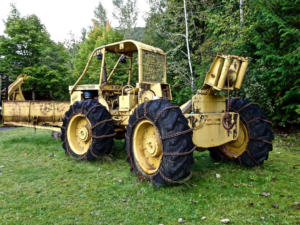
Types of Forestry Equipment
Now that we’ve set the stage, let’s delve into the diverse array of forestry equipment that stands as the backbone of this industry.
Chainsaws
Chainsaws are the workhorses of the forestry world. These portable, motorized saws are versatile tools used for felling trees, pruning branches, and bucking logs. Their applications range from small-scale operations to larger industrial logging projects. Chainsaws are vital for creating access paths in dense forests and ensuring precise cutting for timber harvesting.
Harvesters
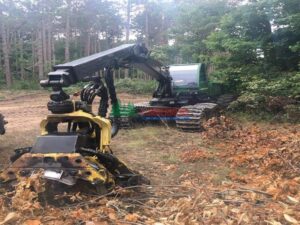
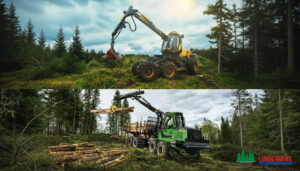
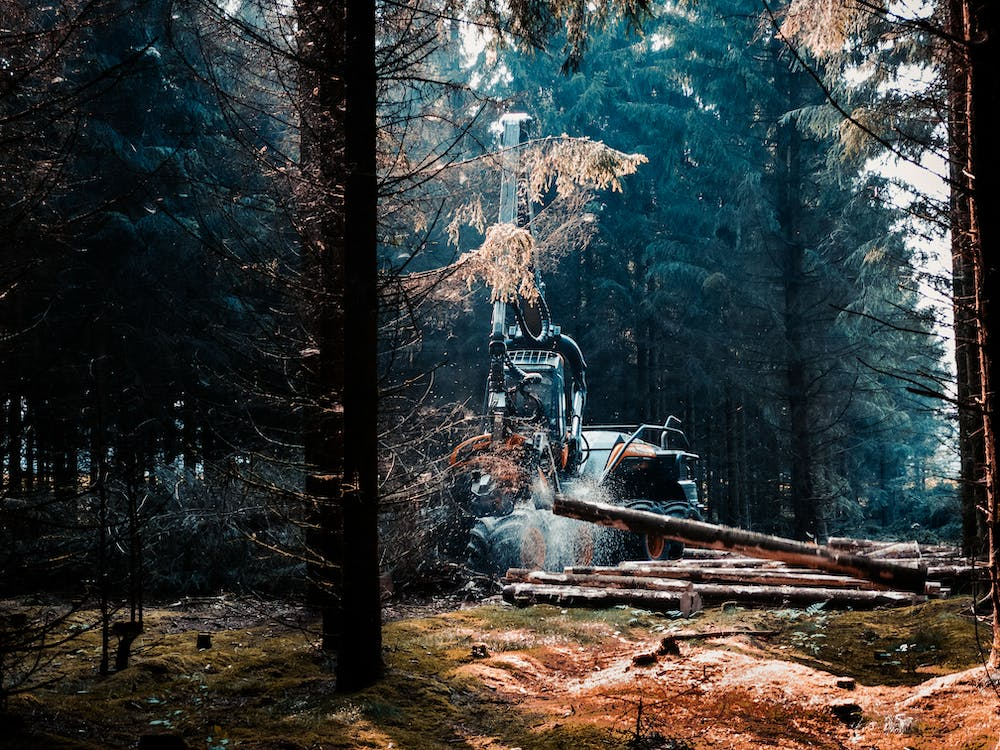
Forestry harvesters are advanced machines designed for felling, delimbing, and bucking trees in a single operation. Equipped with cutting-edge technology, these machines significantly increase efficiency in timber harvesting. Harvesters play a key role in reducing labor costs and enhancing the overall productivity of forestry operations.
Forwarders
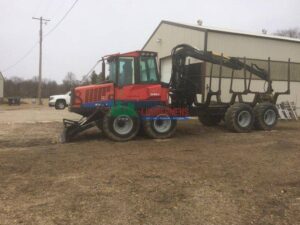
Forwarders are specialized vehicles designed to transport felled trees from the harvesting site to a centralized location for further processing. These machines come in various sizes and configurations, ensuring they can navigate different terrains. Their primary role is to streamline the logistics of moving logs, making them an essential component in logging operations.
Skidders
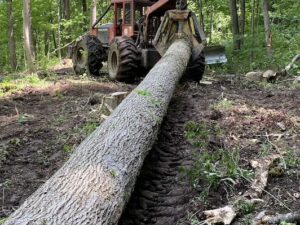
Skidders are powerful machines used for pulling felled trees from the forest to a collection point. They come in various types, including cable skidders and grapple skidders, each suited for different terrains and tree sizes. Skidders play a crucial role in reducing manual labor and increasing the efficiency of transporting logs from the harvesting site.
Log Loaders
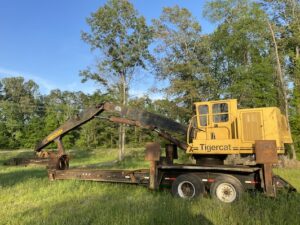
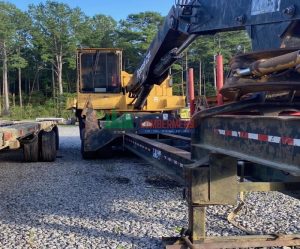
Log loaders are specialized forestry machines designed for efficiently loading and transporting logs. These machines feature a hydraulic arm with a grapple attachment, allowing operators to lift and stack logs with precision. Log loaders contribute to the streamlined movement of timber from the harvesting site to processing facilities, improving overall efficiency and productivity.
Dozers
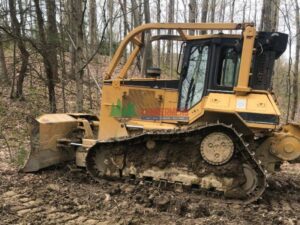
Forestry dozers are heavy-duty machines equipped with specialized blades for pushing aside vegetation and creating paths in densely wooded areas. These machines are instrumental in preparing the terrain for other forestry equipment, facilitating easier access and enhancing the efficiency of subsequent operations.
Specialized Forestry Equipment
As we venture deeper into the world of forestry equipment, it’s time to shine a spotlight on specialized machinery that goes beyond the basics.
Mulchers
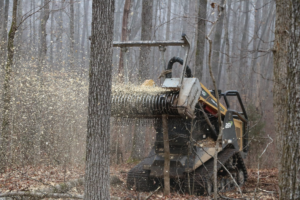
Mulchers are specialized forestry equipment used for vegetation management. They are equipped with a rotary drum that can shred and mulch vegetation, including trees, bushes, and stumps. Mulchers are highly efficient and can clear large areas of land in a short time. Some mulching techniques include forest floor mulching, bush mulching, and tree mulching.
Feller Bunchers
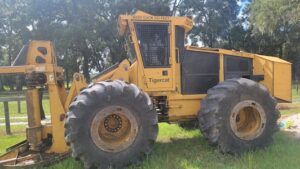
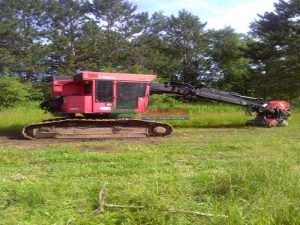
Feller bunchers are specialized machines used for cutting and clearing trees. They are equipped with a cutting head that can cut and bunch trees before processing. Feller bunchers are highly efficient and can clear large areas of land in a short time. They are commonly used in high-production logging operations.
Technological Advancements
Technological advancements have revolutionized the forestry industry, introducing automation and precision techniques that enhance efficiency and reduce environmental impact.
Automation in Forestry
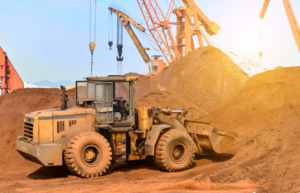
Automation in forestry involves the use of machines and equipment that can perform forestry tasks without human intervention. This includes autonomous vehicles, remote sensing technologies, precision forestry, GPS tracking, and data analytics. These technologies can improve efficiency, productivity, and safety in the forestry industry.
Autonomous Vehicles
Autonomous vehicles are self-driving machines that can perform forestry tasks, including felling, delimbing, and bucking trees. They are equipped with sensors and cameras that can navigate through the forest and perform tasks with high precision.
Remote Sensing Technologies
Remote sensing technologies involve the use of drones and satellites to collect data about forest conditions, including tree density, species, and health. This data can be used to make informed decisions about forestry operations, including harvesting, thinning, and reforestation.
Precision Forestry
Precision forestry involves the use of technology to optimize forestry operations, including harvesting, transport, and processing. This includes the use of GPS tracking, automation, and data analytics to improve efficiency, reduce waste, and increase productivity.
GPS Tracking
GPS tracking involves the use of GPS technology to track forestry equipment and monitor their movements. This can help improve safety, prevent theft, and optimize operations.

Data Analytics in Forestry
Data analytics involves the use of data to make informed decisions about forestry operations. This includes the use of machine learning algorithms to analyze data and identify patterns that can be used to improve productivity, reduce waste, and optimize operations.
Future Trends in Forestry Equipment
As the forestry industry continues to evolve, several trends are shaping the future of forestry equipment.
Advancements in robotics and artificial intelligence are expected to play a significant role in the development of forestry equipment. Intelligent machines capable of adapting to changing environments and making autonomous decisions will further enhance efficiency and sustainability.
The integration of robotics and artificial intelligence will lead to the development of smart forestry equipment. These machines will be capable of real-time decision-making, precision operations, and adapting to dynamic environmental conditions.
Conclusion
In conclusion, the diverse types of forestry equipment, from traditional chainsaws to advanced autonomous harvesters, play a crucial role in sustainable forest management. The industry’s future is undoubtedly tied to technological advancements, with robotics, artificial intelligence, and data analytics reshaping the landscape of forestry equipment. As we move forward, the focus should be on balancing productivity with environmental conservation, ensuring that forestry practices remain sustainable for generations to come.