How to Start a Sawmill Business in 2026: Equipment, Costs & Complete Guide
Starting a sawmill business sounds simple on the surface. Buy a mill, buy some logs, cut lumber, sell it. In practice, the businesses that survive their first few years treat it like what it actually is. It’s a capital-intensive manufacturing operation, with real safety risks and real competition.
The good news is that a small sawmill business can be started on a much smaller scale than a commercial lumber mill. Many operators begin with a portable sawmill, build relationships with local customers, and gradually invest in additional equipment as their business grows. Starting small allows new owners to understand their market, improve their production process, and make smarter equipment decisions before committing to a larger investment.
However, a successful sawmill operation depends on more than just owning the right machine. Factors such as log availability, customer demand, operating costs, maintenance, and proper planning all play an important role in long-term success. In this guide, we’ll cover the key steps involved in starting a sawmill business — from understanding your market and choosing equipment to estimating startup costs and avoiding common mistakes new owners often make.
.
Step 1: Understand Your Local Market
Ask most new sawmill owners what went wrong in year one, and it’s rarely the equipment. It’s that nobody was buying what they were selling.
Before investing in machinery, figure out who will actually buy your products. In many regions, that list includes:
- Home builders and contractors
- Furniture manufacturers
- Cabinet shops
- Farmers and ranch owners
- Tree service companies
- Woodworkers and hobbyists
- Timber frame builders
- Local sawyers who outsource overflow work
Call a handful of them before you buy anything. Ask what they currently pay, where they currently buy from, and what they wish was easier to find locally.
Local demand also tells you what to actually cut. In one area, rough-cut construction lumber might move fast because there’s a lot of new home building nearby. In another, live-edge slabs or custom hardwood boards might sell for a much better margin. That’s because the local market is full of furniture makers and woodworkers, not framers.
A cabinet shop buying kiln-dried hardwood needs a very different setup than a fencing contractor buying rough pine by the truckload. Neither the mill, nor the drying capacity, nor the inventory strategy that works for one will work for the other. Once you know who you’re selling to, it’s much easier to browse portable and industrial sawmills for sale with a real output target in mind. That beats guessing at capacity.
This is also the point to write a short business plan. Even a page or two helps. Lenders want real numbers, and honestly, so should you: startup costs, monthly overhead, break-even volume, and a realistic timeline to profitability.
Step 2: Validate the Numbers Before You Buy Anything
Market research tells you who will buy from you. The next question is whether the math actually works.
The U.S. sawmill and wood production industry is a big one — tens of billions of dollars a year. It’s also mature and competitive, and margins depend heavily on log costs, fuel prices, and local demand. Industry data puts the market at roughly $41.8 billion in 2026, spread across just under 2,500 businesses nationwide (IBISWorld). That’s a small number of operators for a market that size. It tells you two things. There’s room for small, regional players, but success depends on finding a niche large mills don’t serve well — custom cuts, specialty species, local delivery, fast turnaround for contractors.
A few numbers worth pinning down before you buy equipment:
- Log cost per board foot in your area, based on actual quotes from landowners or logging contractors, not published averages.
- Realistic daily output for the equipment tier you’re considering. Use a conservative day, not a best-case one.
- Break-even price per board foot, factoring in log cost, labor, fuel or power, and equipment financing.
If those numbers don’t leave a workable margin against what your local market from Step 1 will actually pay, it’s cheaper to find that out now. Finding it out after the equipment arrives is a much more expensive lesson.
Step 3: Choose Your Sawmill Type
This is the biggest equipment decision you’ll make. It shapes your budget, your site requirements, and how much you can produce.
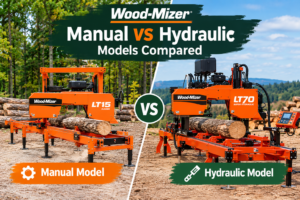
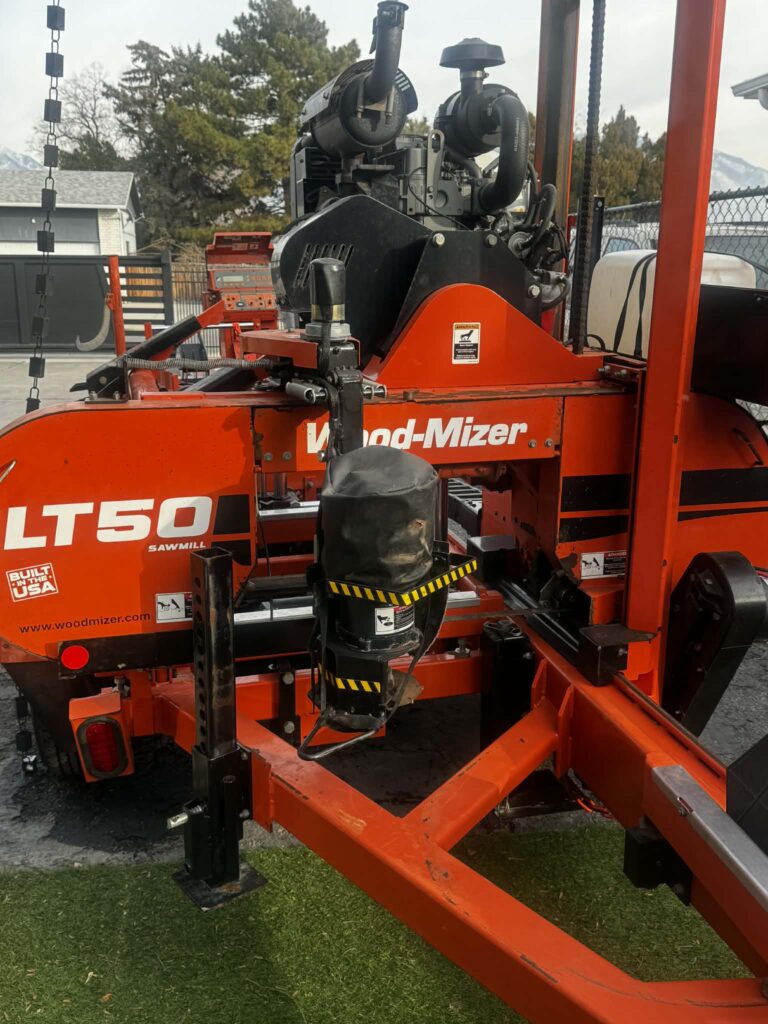
Portable band sawmills are the most common starting point. They’re mobile, run on less power, and cost far less than industrial systems. A portable mill lets you take the equipment to the logs, which matters if you’re milling on-site for landowners or don’t have a fixed yard yet. The tradeoff is lower throughput. Portable mills suit operators cutting a few thousand board feet a week, not a day.
Stationary or industrial sawmills offer much higher volume, but the footprint is bigger too. You’ll usually need dedicated building space, three-phase power, and a much larger upfront investment. Unless you’re starting with outside capital or already have committed high-volume buyers, most operators grow into an industrial setup rather than starting there.
Circular vs. band saws is the other major fork. Circular mills cut faster, but they leave a wider kerf, which wastes more wood on every cut. Band mills cut slower, with a thinner kerf. That usually means more usable lumber per log — often the better economic choice when you’re paying for logs by the board foot.
Look at real listings, not just spec sheets. Reviewing what’s currently available from brands like Wood-Mizer, Baker, and TimberKing tells you more than a manufacturer brochure ever will. That’s especially true once you have a target customer and output figured out from Steps 1 and 2.
Step 4: Build Your Core Equipment Checklist
A sawmill is a system, not one machine. Even a small operation typically needs the following, though the exact list depends on your production model and the customers you identified in Step 1.
The mill itself
Your primary cutting machine — portable band mill, circular mill, or, for larger startups, an industrial system. This is usually 40 to 60% of your initial equipment budget.
Log handling equipment
Getting logs to the mill and into position is where a lot of new operators lose time and money. Depending on your scale, this might mean a log loader or grapple attachment for moving logs from storage to the mill, a log deck or skidway for staging, or basic conveyors to move cut lumber away from the saw.
Edgers
An edger squares up rough-cut boards and trims off waney bark edges. This turns rough-sawn output into sellable, standard-width lumber. Skip this step and you’re selling rough lumber at a lower price point. That’s fine if your local market is mostly rough construction buyers, but it limits you fast if you’re targeting cabinet shops or furniture makers.
Resaws
A resaw splits thicker cants into multiple thinner boards, which maximizes yield from every log. Small operations don’t always need one on day one. It’s often the first major upgrade once volume grows.
Debarkers
Removing bark before milling protects your blades from dirt and grit and improves cut quality. Not every small mill starts with a dedicated debarker. But blade costs add up fast without one, so it’s worth factoring into your early comparisons.
Trim saws
A trim saw squares off board ends to a finished length. This matters most if you’re selling standard-dimension lumber to retail or construction customers who expect consistent sizing.
Material handling: forklifts, conveyors, and stacking equipment
Moving finished lumber, stacking it for air-drying, and loading customer orders all take equipment. That’s forklifts, conveyors, or at minimum a solid manual handling process — and it’s a line item that’s easy to underbudget.
For a broader view of how these pieces fit together, compare a full range of sawmill equipment for sale. It’s a good way to see what a “starter” setup looks like next to a full one.
Step 5: What Does It Actually Cost to Start?
Budgets vary by region and scale, but the categories matter more than one headline number. “Cost of a sawmill” is really several separate line items.
| Category | Typical range for a small startup |
|---|---|
| Primary mill (used portable band mill) | $10,000 – $45,000 |
| Log handling (loader attachment, skidway) | $3,000 – $20,000 |
| Edger | $5,000 – $25,000 |
| Trim saw | $2,000 – $10,000 |
| Material handling (forklift or equivalent) | $8,000 – $30,000 |
| Site prep (power, drainage, storage structure) | $5,000 – $25,000 |
| Insurance, permits, business registration | $1,500 – $5,000 |
| Working capital (log inventory, first months of overhead) | $10,000 – $30,000 |
These are directional ranges, not quotes. Actual pricing depends on whether equipment is new or used, your region, and how much site work you can do yourself. But the table makes one thing clear: the mill itself is often less than half of total startup cost. Owners who budget only for the machine, and skip the handling equipment and working capital around it, are the ones most likely to hit a cash crunch. Usually that happens in year one.
Step 6: Decide Between New and Used Equipment
For most small startups, used equipment is the more realistic entry point. That’s not just about price. A well-maintained used machine from an established manufacturer holds its value and its reliability. Buying used also frees up cash for the parts of the business new owners tend to underfund. That’s log inventory, drying space, and working capital to cover the gap before revenue stabilizes.
When you’re evaluating a used machine, condition matters more than age. Look closely at:
- Maintenance history. A machine with documented service records is worth more than one with none, regardless of hours.
- Blade guides, bearings, and hydraulics. These wear components are the most common source of surprise repair bills.
- Parts availability. Equipment from well-known manufacturers is far easier to keep running than obscure or discontinued brands.
- Seller transparency. Detailed listings with photos, specs, and honest condition notes are a good sign. Vague listings are a reason to ask more questions.
Want to start from machines that have already been through this kind of check? This selection of used sawmills lists specifications and condition details up front — no need for a site visit on every option you’re weighing.
Step 7: Handle the Legal and Regulatory Groundwork
This is the step new owners push to “later” most often. It’s also the one that can shut down an otherwise sound business if it’s ignored.
Business structure and registration
Most small sawmill operators register as an LLC. It separates personal and business liability, which matters given the equipment and injury risks involved. Requirements vary by state, so check with your state’s business registration office before you assume anything.
Zoning and permits
Sawmills are noisy. They generate sawdust and waste, and they often involve outdoor log storage — all things local zoning boards care about. Confirm your site is zoned for this kind of operation before you sign a lease or buy land, not after equipment shows up.
Workplace safety compliance
This one deserves extra attention. Working in a sawmill ranks among the more dangerous occupations in the United States. Hazards come from heavy log handling as well as unguarded or improperly used woodworking machinery. Common injuries include lacerations, amputations, and respiratory issues from wood dust exposure (OSHA). OSHA maintains a dedicated standard for sawmill operations covering log handling, sawing, and yard equipment. Review it before you open, not after an inspection. A written safety program, proper machine guarding, and basic PPE — eye, hearing, and respiratory protection — are baseline requirements, not extras.
Insurance
General liability is the minimum. Equipment coverage and workers’ compensation, if you’ll have employees, are worth budgeting for from day one. Fire, equipment failure, and injury claims are common enough in this industry that insurers price it accordingly.
Step 8: Plan Your Financing
Few small sawmill operators fund the entire startup out of pocket, and that’s normal. A few paths worth knowing about:
- Equipment financing. Many equipment sellers offer financing tied directly to the machine you’re buying. It can be simpler to qualify for than a general business loan, since the equipment itself often serves as collateral.
- SBA loans. The U.S. Small Business Administration backs loans built for equipment-heavy small businesses, often with better terms than a conventional bank loan for a new operation.
- Local and regional banks. In timber-producing regions especially, community banks tend to understand sawmill economics better than national lenders do.
Get quotes before you commit to a specific machine. Financing terms can vary enough to change which equipment actually fits your budget. Lumbermens’ equipment financing service is one option built around purchases like this. Compare it against a bank or SBA quote before you decide — that extra day of shopping around usually pays for itself.
Step 9: Set Up Your Site
Even a small, portable operation needs a working layout:
- Log storage or deck area with good drainage. Logs sitting in standing water degrade faster than most new owners expect.
- Milling area with stable, level ground. This matters most with portable mills, where uneven ground throws off cut accuracy.
- Lumber drying and stacking space, ideally covered. Air-drying green lumber properly affects both quality and how fast you can sell it.
- A sawdust and waste plan. Depending on volume, this ranges from a simple burn pile (check local rules first) to something more profitable. Some owners sell waste to firewood processors or mulch producers as a small side income.
Power and access matter more than they seem to during planning. Confirm the site can handle your equipment’s actual power draw. Make sure trucks can get logs in and lumber out without fighting tight turns or soft ground.
Step 10: Buy the Equipment
With your market research, plan, site, and financing in place, this is where the checklist turns into real purchases. A practical order for most small startups:
- Primary mill — the highest-priority purchase, and the one worth the most research time.
- Basic log handling — even a simple loader attachment or manual peavey to start, upgrading as volume grows.
- Edger — needed almost immediately once you’re selling finished lumber instead of rough-cut boards.
- Material handling — a forklift or equivalent for moving finished product.
- Resaw and debarker — often reasonable to add once cash flow supports it, rather than day one.
Compare multiple listings before buying instead of grabbing the first machine you find. Two machines of similar age and brand can carry very different real-world value depending on condition and maintenance history. Don’t see exactly what you need in current inventory? Lumbermens’ buying equipment process also includes a request option. It sends your specific requirements straight to their dealer and broker network.
Step 11: Plan Your First Six Months
Equipment is only half the business. A few things worth having in place before your first paying job:
- A pricing model. Decide whether you’re pricing by board foot, by the log, or by job, and know your break-even cost per board foot before you quote anyone.
- A maintenance schedule. Blade sharpening intervals, lubrication schedules, and routine inspections belong on paper, not in your memory.
- A sales pipeline. Line up your first few customers — the ones you found back in Step 1 — before you’re fully operational. You don’t want to start production with zero orders on the books.
Common Mistakes First-Time Sawmill Owners Make
A few patterns show up again and again among operators who struggle in year one:
- Skipping local market research, then discovering demand for their planned product mix isn’t what they assumed.
- Undersizing the mill for available logs, which forces constant workarounds and wastes capacity.
- Skipping the edger or trim saw early on, then finding out rough lumber sells at a steep discount compared to finished dimension lumber.
- Underestimating drying and storage space, which leads to lumber quality problems that cost sales later.
- Treating safety compliance as optional until an inspection, or worse, an injury forces the issue.
- Buying the cheapest machine available instead of the one with the best maintenance history and parts availability.
None of these are complicated to avoid. They just take planning before the equipment arrives instead of after.
Frequently Asked Questions
How much lumber can a small sawmill produce per day?
A single-operator portable band mill typically cuts between 500 and 2,000 board feet a day. It depends on log size, wood species, and how much of the day goes to cutting versus handling and setup. Output climbs a lot once a second person joins for log handling and stacking, since the mill itself usually isn’t the bottleneck — moving material around it is.
Do I need a license to run a sawmill?
Requirements vary by state and county. Most small sawmills need at least a business registration, zoning approval for the site, and compliance with state rules on sawdust and waste disposal. Some states also require a timber harvesting or processing permit if you’re buying standing timber directly rather than logs from a licensed logger. Check with your state’s department of agriculture or forestry — assuming “no permit needed” is a costly mistake to get wrong.
Is a portable sawmill enough to start a business, or do I need an industrial setup?
For nearly all first-time operators, a portable mill is the right starting point. It costs less, needs less site infrastructure, and lets you test demand before committing to a bigger footprint. Operators who outgrow a portable mill usually know it within the first year or two, based on order backlog and log supply. At that point, upgrading is a much better-informed decision than guessing at the start.
How do I figure out what to sell before I even have equipment?
Talk to the customer types most common in your area — contractors, cabinet shops, tree services, farmers. Ask what they currently buy, from whom, and at what price. That research, done before you shop for equipment, tells you whether rough construction lumber, kiln-dried hardwood, or specialty products like live-edge slabs fit your market best.
How long does it take to become profitable?
This depends heavily on how much debt you use to finance equipment and how fast you build a steady customer base. Operators who line up a handful of committed buyers during market research, before opening, tend to reach break-even faster. Starting to cut first and looking for customers afterward is the slower path.
What’s the biggest hidden cost new sawmill owners miss?
Blade costs and log handling equipment are the two most commonly underestimated line items. Blades wear faster than expected without a debarker. Moving logs and finished lumber without adequate handling equipment also eats far more labor time than most new owners plan for.
Bringing It Together
A small sawmill business is a realistic venture — if you treat it like a real manufacturing operation. Understand your local market. Validate the numbers. Choose equipment that matches your actual production goals, and budget for the full system, not just the mill. Handle the legal and safety groundwork early, not as an afterthought.
Most successful small operators didn’t start with a full industrial setup. They started lean, with a portable mill and basic handling equipment, and reinvested as volume justified the next purchase.
If you’re at the equipment-comparison stage now, work through the complete sawmill equipment guide alongside this checklist. Together they can turn the categories above into an actual shortlist and a realistic starting budget.
Sources
- IBISWorld, Sawmills & Wood Production in the US Industry Analysis
- OSHA, Sawmills – Overview
- OSHA, 1910.265 – Sawmills Standard
- U.S. Small Business Administration, SBA Loans and Financing