Is Buying a Used Sawmill Still a Smart Investment in 2026?
For many landowners, logging contractors, farmers, and small woodworking businesses, the answer is yes.
As lumber prices continue to fluctuate and demand for locally milled wood remains steady, many buyers are turning to used sawmills as a practical way to expand production without the higher cost of purchasing new equipment. A quality used sawmill can often deliver years of reliable performance while requiring a much smaller upfront investment.
However, not every used sawmill offers the same value.
Two machines with similar asking prices may have completely different maintenance histories, production capacities, and long-term operating costs. Without understanding today’s market, it’s easy to overpay—or purchase equipment that requires expensive repairs shortly after it arrives.
That’s why it’s important to look beyond the price tag.
Whether you’re planning to start a custom milling business, increase your current production, or simply mill lumber for your own property, understanding what affects used sawmill prices can help you make a smarter buying decision.
In this guide, we’ll break down average used sawmill costs in 2026, the factors that influence pricing, hidden ownership expenses, and how to determine whether a particular machine is worth the investment.
Why More Buyers Are Choosing Used Sawmills in 2026
The used equipment market continues to grow for a simple reason: buyers want more value for their money.
Instead of investing tens or even hundreds of thousands of dollars in brand-new machinery, many businesses are choosing well-maintained used equipment that can begin generating income almost immediately.
A quality used sawmill offers several advantages:
- Lower upfront investment
- Faster return on investment (ROI)
- Less depreciation than buying new
- Proven reliability when properly maintained
- Access to premium brands at more affordable prices
For small and medium-sized operations, buying used often frees up capital that can be invested in log handling equipment, trailers, loaders, or additional forestry machinery.
That flexibility is one reason the used market remains active across North America.
Average Used Sawmill Prices in 2026
The cost of a used sawmill depends on several factors, including the manufacturer, production capacity, age, engine hours, hydraulic features, and overall condition.
The table below provides general price ranges based on current market trends.
| Equipment Type | Estimated Used Price Range |
|---|---|
| Small Portable Band Sawmill | $5,000–$15,000 |
| Mid-Size Hydraulic Sawmill | $15,000–$40,000 |
| Commercial Portable Mill | $40,000–$80,000 |
| Industrial Sawmill System | $80,000–$250,000+ |
| Complete Production Line | $250,000+ |
These figures should be viewed as general estimates rather than fixed prices. Machines with low operating hours, advanced hydraulic packages, computerized controls, or recent upgrades often command higher prices than comparable models.
What Has the Biggest Impact on Used Sawmill Prices?
Price isn’t determined by age alone.
Several factors work together to influence how much a used sawmill is worth.
Understanding these variables helps buyers compare listings more accurately and avoid paying too much for equipment that doesn’t meet their production needs.
1. Brand Reputation
Established manufacturers generally hold their value better because buyers trust their durability, parts availability, and long-term support.
Well-known brands often sell more quickly on the used market because replacement parts are easier to source and service networks are more established.
When comparing similar machines, equipment from recognized manufacturers may cost more initially but often provides stronger resale value over time.
2. Engine Hours
Operating hours provide insight into how heavily a machine has been used.
However, engine hours should never be viewed in isolation.
A sawmill with higher hours and a complete maintenance history may represent a better investment than a lower-hour machine that has been poorly maintained.
Always compare engine hours with the overall condition of the machine, service records, and evidence of routine maintenance.
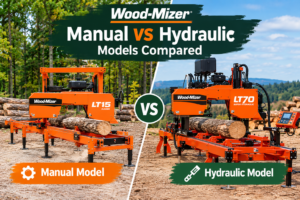
3. Hydraulic Features
Hydraulic systems significantly improve productivity by reducing manual labor.
Features such as hydraulic log loaders, clamps, toe boards, and log turners increase efficiency, particularly for businesses processing larger volumes of timber.
Machines equipped with advanced hydraulic packages typically command higher resale prices because they help operators work faster and more safely.
4. Overall Condition
Appearance alone doesn’t determine value.
During an inspection, buyers should carefully evaluate the frame, engine, blade system, rails, bearings, hydraulics, and electrical components.
Equipment that has been stored indoors, serviced regularly, and repaired professionally generally offers greater long-term value than neglected machinery, even if the asking price is higher.
5. Production Capacity
Production requirements vary from one operation to another.
A portable band sawmill designed for hobby milling will naturally cost less than a commercial system capable of processing large volumes of hardwood every day.
Before comparing prices, consider how much lumber you expect to produce each week. Purchasing equipment with significantly more capacity than your operation requires may increase both purchase costs and ongoing maintenance expenses.
Used vs. New Sawmill: Which Offers Better Value?
One of the most common questions buyers ask is whether they should purchase a used sawmill or invest in a new machine.
The answer depends on your budget, production goals, and long-term business plans.
| Used Sawmill | New Sawmill |
|---|---|
| Lower purchase price | Higher upfront investment |
| Less depreciation | Full manufacturer warranty |
| Faster return on investment | Latest technology and features |
| Immediate availability | Factory ordering may require waiting |
| May require additional inspection | Typically requires minimal setup |
For many first-time buyers and growing businesses, a carefully inspected used sawmill provides an excellent balance between affordability and production capability.
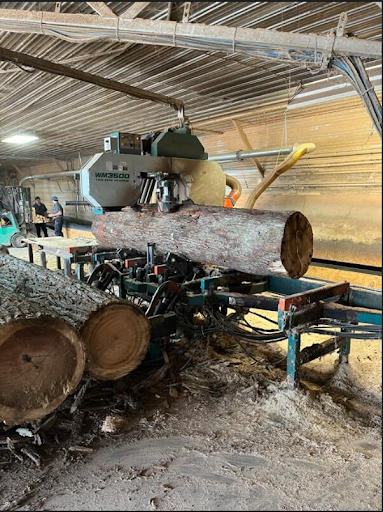
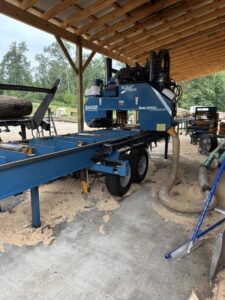
Image: A modern portable band sawmill cutting hardwood logs at an active milling site.
Alt Text: Used portable band sawmill processing hardwood logs in 2026.
What Hidden Costs Should You Budget For?
The purchase price is only one part of the total investment.
Many first-time buyers focus on the asking price and forget about the additional expenses that come with owning and operating a sawmill. These costs can significantly affect your return on investment if they aren’t included in your budget.
Before purchasing a used sawmill, consider the following expenses.
Transportation and Delivery
Moving a portable sawmill across the state is very different from transporting a complete industrial sawmill across the country.
Depending on the size and weight of the machine, you may need:
- Specialized hauling equipment
- Loading and unloading services
- Oversized load permits
- Insurance during transport
These costs should always be included when comparing different listings.
Blade Maintenance and Replacement
Even the best sawmill cannot produce quality lumber with worn blades.
Routine maintenance includes:
- Blade sharpening
- Blade replacement
- Blade lubrication
- Guide adjustments
Many professional operators keep several sharpened blades on hand to minimize downtime.
Although blade maintenance is a normal operating expense, it should be included in your annual budget.
Routine Service and Repairs
Every sawmill requires regular maintenance to remain productive.
Common service items include:
- Engine oil and filters
- Hydraulic fluid
- Bearings
- Belts
- Hoses
- Electrical components
Machines with complete maintenance records generally cost less to own over time because they’ve already received consistent servicing.
Additional Equipment You May Need
Purchasing the sawmill is often only the beginning.
As production increases, many operators invest in additional equipment to improve efficiency and reduce labor.
Depending on your operation, you may eventually need:
- Log loaders
- Dozers
- Excavators
- Wood chippers
- Horizontal grinders
- Skid steers
Can a Used Sawmill Still Be Profitable in 2026?
For many businesses, the answer is yes.
Profitability depends less on owning the newest equipment and more on operating efficiently, controlling expenses, and finding consistent customers.
Many small operators generate revenue through:
- Custom lumber milling
- Live-edge slab production
- Farm and ranch projects
- Residential timber milling
- Specialty hardwood production
- Portable on-site milling services
Some also diversify by offering land clearing or logging services alongside milling, creating multiple income streams throughout the year.
How Much Can a Small Sawmill Earn?
Revenue varies based on production capacity, local demand, and pricing strategy.
Many custom sawyers charge:
| Service | Typical Market Range (2026)* |
|---|---|
| Custom Milling (Per Board Foot) | $0.35–$0.80 |
| Hourly Milling | $60–$120/hour |
| Daily Milling | $400–$800+/day |
*Note: Rates vary depending on your location, wood species, log size, sawmill capacity, project complexity, and whether milling is performed on-site or at a fixed location.
Actual earnings depend on factors such as:
- Log quality
- Wood species
- Machine efficiency
- Labor costs
- Transportation
- Local market demand
Increasing productivity often has a greater impact on profitability than simply charging higher rates.
What Makes One Used Sawmill Worth More Than Another?
Two machines of the same age can have very different values.
Several factors influence resale price.
Brand Reputation
Established manufacturers typically retain value because buyers trust their durability, parts availability, and long-term reliability.
Maintenance History
A machine with documented maintenance records often commands a higher price than one with an unknown service history.
Regular servicing usually indicates responsible ownership.
Hydraulic Features
Hydraulic log loaders, clamps, toe boards, and turners improve production efficiency.
Machines equipped with these features generally have higher resale values because they reduce manual labor and increase daily output.
Overall Condition
Cosmetic appearance is important, but mechanical condition matters more.
Inspect:
- Engine
- Frame
- Blade system
- Rails
- Bearings
- Hydraulics
- Electrical components
A well-maintained machine with minor cosmetic wear is often a better investment than a freshly painted machine hiding mechanical issues.
Used vs. New Sawmills: Which Offers Better Value?
Many buyers eventually ask the same question:
Should I buy a used sawmill or invest in a brand-new machine?
The answer depends on your production goals, budget, and long-term plans.
| Used Sawmill | New Sawmill |
|---|---|
| Lower purchase price | Higher upfront investment |
| Faster ROI | Full manufacturer warranty |
| Less depreciation | Latest technology |
| More equipment choices | Factory customization |
| Immediate availability | Longer delivery times |
For many small businesses, landowners, and first-time buyers, a well-maintained used sawmill offers an excellent balance between affordability and production capability.
Where Should You Start Looking?
Finding quality equipment is easier when you use a marketplace that focuses on forestry and sawmill machinery instead of general classified websites.
How to Choose the Right Used Sawmill for Your Needs
Every sawmill is built for a different type of operation. Choosing the right machine depends on your production goals, budget, and the type of lumber you plan to produce.
Before making a purchase, ask yourself these questions:
- How many logs will I mill each week?
- Will I operate the sawmill full-time or occasionally?
- Do I need a portable or stationary mill?
- What wood species will I process most often?
- Is hydraulic log handling important for my operation?
- What’s my total budget, including transportation and maintenance?
Answering these questions will help narrow your options and prevent overspending on equipment with features you may never use.
Why Buy Through LumbermensCo?
Finding quality used sawmill equipment can be challenging when browsing general classified websites. Listings often lack detailed specifications, maintenance history, or seller transparency.
LumbermensCo was built specifically for the forestry and wood products industry, making it easier for buyers and sellers to connect through a marketplace focused on logging and sawmill equipment.
Whether you’re searching for a portable band sawmill, hydraulic mill, industrial sawmill system, or complete lumber processing equipment, you can compare listings from trusted sellers across North America in one place. If you’re ready to compare available machines, browse our Sawmill Equipment for Sale category to explore new and used equipment from experienced sellers.
As your operation grows, you may also need supporting machinery for land preparation, log handling, or debris removal. Explore our Clearing Equipment category to find dozers, grinders, chippers, and other equipment that complements your sawmill operation.
Final Thoughts
A used sawmill can be one of the smartest investments for landowners, contractors, farmers, and growing woodworking businesses in 2026—but only if you buy the right machine.
Instead of focusing solely on the asking price, evaluate the equipment’s condition, maintenance history, production capacity, and long-term operating costs. Taking time to compare multiple listings and inspect the machine carefully can help you avoid expensive surprises and maximize your return on investment.
Whether you’re milling lumber for personal projects or building a commercial operation, choosing well-maintained equipment is the first step toward long-term success.
At LumbermensCo, our goal is to help buyers make informed decisions by connecting them with quality forestry and sawmill equipment from trusted sellers throughout North America.
Frequently Asked Questions
How much does a used sawmill cost in 2026?
Most used sawmills range from $5,000 to over $250,000, depending on the type of mill, brand, production capacity, age, hydraulic features, and overall condition.
Is buying a used sawmill worth it?
Yes. A well-maintained used sawmill can deliver excellent value by reducing upfront costs while providing years of reliable service. Many buyers recover their investment faster compared to purchasing new equipment.
Can a used sawmill be profitable?
Absolutely. Many operators earn income through custom milling, live-edge slab production, specialty lumber, and portable on-site milling services. Profitability depends on production efficiency, operating costs, and local demand.
What affects the price of a used sawmill?
Several factors influence pricing, including:
- Brand reputation
- Engine hours
- Hydraulic features
- Production capacity
- Maintenance history
- Overall mechanical condition
- Market demand
How much can I charge for custom milling?
Typical 2026 market rates include:
- $0.35–$0.80 per board foot
- $60–$120 per hour
- $400–$800+ per day
Actual rates vary based on location, wood species, project complexity, and equipment capacity.
What should I inspect before buying?
Inspect the frame, engine, hydraulic system, rails, blade guides, bearings, electrical components, maintenance records, and request a test cut whenever possible.
Should I buy a portable or stationary sawmill?
Portable sawmills are ideal for mobile jobs, farms, and smaller operations. Stationary or industrial mills are better suited for high-volume commercial production.
What additional equipment may I need?
Depending on your operation, you may also need log loaders, excavators, dozers, wood chippers, grinders, or other clearing equipment to improve efficiency and reduce manual labor.
Where can I find quality used sawmills for sale?
A specialized marketplace like LumbermensCo allows you to compare listings, review specifications, and connect directly with experienced buyers and sellers across the forestry industry.
How long does a quality sawmill last?
With regular maintenance, many commercial sawmills remain productive for decades. Routine servicing, proper blade maintenance, and timely repairs all contribute to a longer service life.
Sources
- United States Department of Agriculture. Forest Products Laboratory – Wood Handbook: Wood as an Engineering Material.
- United States Forest Service. Forest Operations and Timber Harvesting Resources.
- National Hardwood Lumber Association. Official Rules for the Measurement and Inspection of Hardwood Lumber.
- Forest Products Society. Research and publications on sawmill operations and wood processing.
- International Wood Products Association. Wood products market insights and industry resources.
- Occupational Safety and Health Administration. Safety guidance for woodworking and sawmill operations.
- American Society of Agricultural and Biological Engineers. Engineering standards for forestry and agricultural equipment.