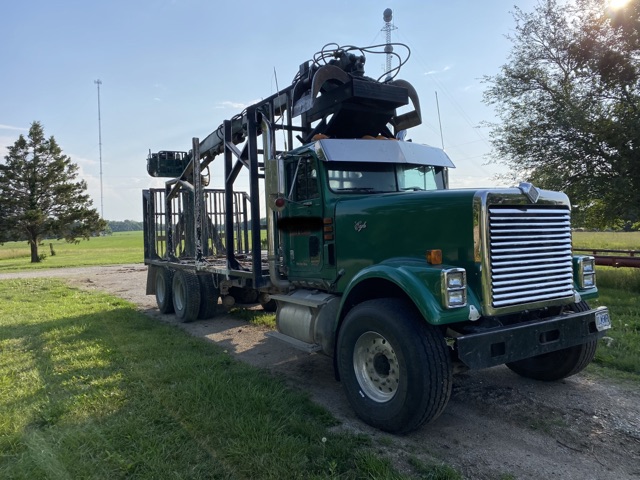
Log Truck & Trailer Buying Guide: What to Check Before You Buy
Buying a log truck and trailer is a major investment for any logging operation. The right equipment can help you transport timber efficiently, handle demanding road conditions, and keep your business running smoothly. However, choosing the wrong truck or trailer can lead to expensive repairs, unexpected downtime, and safety concerns.
Whether you are purchasing your first used log truck or adding another vehicle to your fleet, it is important to inspect more than its appearance and asking price.
From engine performance and frame condition to trailer structure, brakes, and hydraulic equipment, this guide explains what to check before buying a log truck and trailer.
1. Choose the Right Truck and Trailer for Your Operation
Before looking at available equipment, consider how you plan to use the truck and trailer. Different logging operations have different hauling requirements.
Think about:
- Hauling capacity: How much timber do you typically transport?
- Operating conditions: Will the truck travel mainly on highways, logging roads, or rough access roads?
- Axle configuration: Does the truck have the axle setup required for your intended loads and operating conditions?
- Trailer type: What trailer configuration works best for the timber you transport?
- Loading requirements: Will you need a loader mounted on the truck, or will another machine handle loading?
Also consider applicable weight limits, axle requirements, licensing, and cargo securement regulations. The truck and trailer must be suitable for your operation and comply with the requirements in the areas where they will operate.
Before making a decision, compare available truck and trailer equipment to understand the different configurations and options.
2. Inspect the Engine and Transmission
The engine and transmission are two of the most important components to evaluate when buying a used log truck. Mechanical problems can quickly turn an affordable purchase into an expensive investment.
Start by asking the seller about the truck’s maintenance history and any known mechanical issues. If possible, arrange to see the engine started while it is cold.
Check these areas:
- Starting performance: Does the engine start without excessive cranking?
- Exhaust smoke: Watch for unusual or persistent smoke during startup and operation.
- Oil leaks: Inspect around the engine block, oil pan, filters, and seals.
- Cooling system: Check the radiator, hoses, coolant condition, and signs of overheating.
- Engine noise: Listen for unusual knocking, rattling, or other abnormal sounds.
- Transmission: Check for delayed engagement, slipping, grinding, or difficulty shifting.
- Service history: Ask about recent maintenance, repairs, and major component replacements.
A truck that starts and runs does not necessarily have a healthy engine. Have a qualified heavy-duty mechanic inspect the vehicle before completing the purchase.
3. Check the Frame and Chassis
The truck frame supports the vehicle and carries the stresses created by heavy loads and demanding operating conditions. Structural problems can affect safety and lead to costly repairs.
Inspect the following areas:
- Frame rails and crossmembers
- Cracks around mounting points
- Rust and deep corrosion
- Bent or misaligned frame sections
- Previous welding or structural repairs
- Suspension and axle mounting areas
- Fifth-wheel, hitch, and trailer connection points
Pay particular attention to areas around the suspension mounts and other high-stress connection points.
Surface rust may be manageable, but deep corrosion, cracked structural sections, or questionable repairs need professional evaluation. Do not assume that a recently painted frame is free from damage.
4. Inspect Axles, Suspension, Tires, and Brakes
A log truck operates under demanding conditions, so its running gear deserves careful attention.
Axles and suspension
Look for damaged components, leaking parts, worn bushings, damaged springs, and unusual movement. Check whether the truck sits evenly and whether there are signs of previous suspension repairs.
Tires and wheels
Inspect tire tread depth, sidewalls, cuts, uneven wear, and differences in tire condition across the axles. Check the wheels and rims for visible damage.
Braking system
Check the service brakes, parking brake, air lines, brake chambers, and trailer brake connections. Look for air leaks, damaged hoses, and warning lights where applicable.
A professional inspection is especially important for the braking system. Do not rely only on the seller’s statement that the brakes are working properly.
5. Examine the Log Trailer Carefully
The trailer is just as important as the truck. A mechanically sound truck paired with a damaged or unsuitable trailer can still create serious operating problems.
If you are comparing different truck and trailer equipment, pay close attention to the trailer’s structure and load-support components.
Trailer frame and beams
Look for cracks, corrosion, bent sections, damaged welds, and previous structural repairs. Inspect the areas supporting the bunks and carrying the timber load.
Bunks and stakes
Check the bunks, stakes, stake pockets, and mounting points. Look for loose connections, cracks, bending, or missing components.
Reach and connection points
If the trailer has a reach, inspect its condition and connection points. Check for excessive wear, damage, and signs of improper repairs.
Suspension and axles
Inspect the trailer suspension, axle mounts, tires, wheels, and visible brake components. Uneven tire wear or unusual alignment may indicate a problem that needs further investigation.
Lights and electrical connections
Test the trailer lights, marker lights, reflectors, wiring, and electrical connections. Damaged wiring can create operating and compliance problems.
6. Check the Hydraulic System and Log Loader
Some log trucks include hydraulic equipment or a loader to help handle timber. If the truck comes with a loader, inspect it separately from the truck’s engine and transmission.
Check the following:
- Hydraulic hoses and fittings for leaks or damage
- Cylinders for leaks, corrosion, and visible damage
- Hydraulic pump operation
- Control valves and operating controls
- Loader joints, pins, and mounting points
- Signs of excessive movement or unusual noise
If it is safe to do so, operate the loader through its normal range of movement. Watch for slow, uneven, or jerky operation.
Ask the seller about recent hydraulic repairs and whether any major components have been replaced.
If your operation requires a dedicated machine for lifting, sorting, and loading timber, compare available log loaders for sale to explore equipment options for your logging operation.
7. Test the Truck and Trailer Together
Inspecting the truck and trailer separately is important, but you should also evaluate how they work together.
When possible, arrange a road test with the seller’s permission and an appropriately licensed operator.
During the test, pay attention to:
- Steering response and handling
- Transmission shifting
- Braking performance
- Unusual vibration or noise
- Trailer tracking and stability
- Air and electrical connections
- Warning lights and instrument readings
Do not conduct a loaded test unless it can be done legally and safely with proper loading and securement procedures.
If the truck and trailer are being sold as a combination, confirm that the coupling equipment is compatible and that all connections and locking mechanisms operate correctly.
8. Review Maintenance Records and Ownership Documents
A machine’s history can tell you a lot about how it has been maintained.
Ask the seller for available records, including:
- Engine and transmission service history
- Brake and suspension repairs
- Hydraulic system maintenance
- Trailer repairs
- Inspection records
- Major component replacements
- Previous ownership or operating history
Also verify the vehicle identification number (VIN), title, registration, ownership documents, and any applicable lien information.
Make sure the truck and trailer descriptions match their documents. Check whether modifications or equipment changes have been properly documented.
Do not complete the purchase until ownership and applicable legal requirements have been verified.
9. Questions to Ask Before Buying a Log Truck
Before making an offer, ask the seller direct questions about the truck and trailer.
- How long have you owned the truck?
- Why are you selling it?
- Does the engine have any known issues?
- Has the transmission been repaired or replaced?
- Are there any known frame cracks or structural repairs?
- When were the brakes and tires last serviced?
- Does the trailer have any known structural damage?
- Does the loader or hydraulic system operate properly, if equipped?
- Are maintenance and repair records available?
- Can the truck be inspected and test-driven before purchase?
Ask the seller to explain any known defects rather than relying only on a general statement that the equipment is in good condition.
10. Common Mistakes to Avoid When Buying a Used Log Truck
Even experienced equipment buyers can overlook important details when they focus too heavily on price or appearance.
Avoid these common mistakes:
- Buying based on appearance: A clean exterior does not prove that the engine, frame, or trailer is in good condition.
- Skipping a mechanical inspection: Hidden problems can become expensive after the purchase.
- Ignoring the trailer: The trailer’s structure, suspension, brakes, and bunks deserve the same attention as the truck.
- Overlooking hydraulic components: Loader repairs can add significant costs if problems are discovered later.
- Not checking documents: Verify ownership, VIN, title, and applicable records before completing the deal.
- Choosing the wrong configuration: Make sure the truck and trailer match your operation’s hauling requirements and applicable regulations.
Taking time to inspect the complete combination can help you avoid costly surprises.
11. Final Log Truck and Trailer Buying Checklist
Use this checklist when evaluating a truck and trailer before purchase.
Truck Inspection
-
Engine starts and runs properly
-
No obvious oil or coolant leaks
-
Transmission shifts properly
-
Frame and chassis have no concerning structural damage
-
Axles and suspension have been inspected
-
Tires and wheels are in acceptable condition
-
Brakes and air system have been checked
-
Steering and lights operate properly
Trailer Inspection
-
Trailer frame and beams have been inspected
-
Bunks and stakes are in good condition
-
Reach and connection points have been checked, if equipped
-
Axles and suspension have been inspected
-
Trailer brakes and lights operate properly
-
Tires and wheels are in acceptable condition
-
Coupling equipment is compatible and secure
Loader and Documentation
-
Hydraulic hoses and cylinders have been checked, if equipped
-
Loader controls operate properly, if equipped
-
Maintenance and repair records reviewed
-
VIN and ownership documents verified
-
Independent inspection completed
-
Asking price compared with condition and repair needs
Find Logging Equipment on Lumbermens
Buying a log truck and trailer requires careful evaluation of the complete setup. Take time to compare available equipment, review its condition, and ask sellers for the information you need before making a decision.
Lumbermens connects buyers and sellers across the logging and forestry industries. Explore our equipment listings to find machinery that fits your operation.
Start by browsing Truck & Trailers or explore Log Loaders if you also need equipment for handling timber.
Frequently Asked Questions
What should I check first when buying a used log truck?
Start with the engine, transmission, frame, brakes, and tires. Then inspect the trailer structure, bunks, axles, suspension, and any hydraulic equipment. An independent mechanical inspection is recommended before purchase.
Should I inspect the trailer separately from the truck?
Yes. The trailer has its own frame, suspension, axles, brakes, tires, and load-support components. Inspecting it separately helps identify problems that may not be obvious during a general truck inspection.
Is a log truck with a loader worth buying?
A truck with a loader may suit operations that need onboard log-handling capability. However, inspect the loader’s hydraulic system, cylinders, hoses, controls, mounting points, and overall condition before deciding whether the additional equipment is worth the cost.
What documents should I check before buying a log truck?
Verify the VIN, title, registration, ownership documents, and available maintenance records. Also check for outstanding liens and any applicable inspection or registration requirements.
Should I test-drive a used log truck before buying?
Yes, whenever possible and legally permitted. A road test can help reveal issues with steering, shifting, braking, vibration, and trailer handling. Have a qualified operator conduct the test under safe conditions.
How do I know if a log trailer is in good condition?
Inspect the frame, beams, bunks, stakes, reach, axles, suspension, brakes, tires, lights, and coupling points. Have any suspected structural damage evaluated by a qualified professional before purchase.
Sources and Further Reading
- OSHA – Logging: Log Loading and Transporting
- OSHA – Logging Operations, 29 CFR 1910.266
- FMCSA – Safety Planner
Inspection requirements and vehicle regulations can vary by location and operation. Always confirm the applicable requirements before putting a truck or trailer into service.