Forestry Equipment Inspection Checklist: Daily Checks and Safety Guidelines
Forestry equipment operates in demanding conditions where heavy workloads, rough terrain, and constant exposure to dust, debris, and moisture can put significant stress on machines. A proper inspection before operation helps identify problems early, reduce unexpected downtime, and keep operators and equipment safer.
A daily inspection does not need to be complicated. A consistent walk-around, fluid check, safety-system check, and operational test can help identify leaks, damaged components, worn tires or tracks, and other issues before they become more serious.
This forestry equipment inspection checklist covers the key areas to inspect before operating logging and forestry equipment, along with guidance for documentation, inspection schedules, and buying used equipment.
Why Is Forestry Equipment Inspection Important?
Regular equipment inspections help identify problems before they lead to costly repairs, unexpected breakdowns, or unsafe operating conditions.
A proper inspection can help you:
- Identify fluid leaks and low fluid levels
- Detect damaged or worn components
- Check tires, tracks, and undercarriage components
- Confirm that safety systems are working properly
- Reduce unexpected equipment downtime
- Keep inspection records for maintenance and fleet management
- Identify problems before equipment is placed under heavy workload
For forestry operations, inspections are particularly important because equipment can be exposed to demanding working conditions and heavy use.
What Is a Pre-Operation Equipment Inspection?
A pre-operation inspection is a check performed before equipment is put into service. The purpose is to identify visible damage, leaks, worn components, and safety problems before the machine begins working.
A typical pre-operation inspection includes:
- A visual walk-around
- Engine and fluid checks
- Tire or track inspection
- Hydraulic-system inspection
- Attachment inspection
- Safety-system checks
- Operator-control and gauge checks
- A start-up and operational check
The exact inspection points can vary depending on the type of equipment and the manufacturer’s requirements.
Forestry Equipment Inspection Checklist
Use the following checklist as a general guide when inspecting forestry and logging equipment before operation.
1. Walk Around the Machine
Start with a complete visual inspection of the machine.
Look for:
- Oil, coolant, fuel, or hydraulic-fluid leaks
- Damaged body panels or guards
- Loose or missing hardware
- Cracked or damaged components
- Excessive buildup of dirt, mud, or debris
- Damaged hoses or wiring
- Signs of recent repairs or component damage
Pay attention to areas underneath the machine and around the engine, hydraulic components, and working attachments.
A small leak or loose component may be easier to address during a daily inspection than after it develops into a larger problem.
2. Check Fluid Levels
Check the fluid levels specified by the equipment manufacturer.
Depending on the machine, this may include:
- Engine oil
- Coolant
- Hydraulic fluid
- Fuel
- Transmission fluid
- Other manufacturer-specified fluids
Look for signs of contamination or leaks around tanks, reservoirs, hoses, fittings, and connections.
Low fluid levels or visible leaks should be investigated before the machine is placed into operation.
3. Inspect Tires, Tracks, and Undercarriage
Tires, tracks, and undercarriage components are critical to machine movement and stability.
For wheeled equipment, check:
- Tire condition
- Visible damage
- Uneven wear
- Loose or damaged components
- Proper inflation according to manufacturer specifications
For tracked equipment, inspect:
- Track condition
- Track tension
- Rollers
- Idlers
- Sprockets
- Undercarriage components
Remove excessive debris when appropriate and look for signs of unusual wear or damage.
4. Inspect Hydraulic Components
Many forestry machines rely heavily on hydraulic systems for movement and attachment functions.
Inspect:
- Hydraulic hoses
- Hydraulic cylinders
- Fittings and connections
- Hydraulic lines
- Reservoir areas
- Visible signs of leaks or damage
Check for damaged, cracked, or worn hoses and fittings.
Hydraulic leaks should not be ignored. A small leak can indicate a problem that may become more serious during operation.
5. Check Attachments and Working Components
The working components of forestry equipment can experience significant wear during normal operation.
Depending on the machine, inspect components such as:
- Grapples
- Winches
- Blades
- Cutting heads
- Booms
- Arms
- Chains
- Cables
- Other machine-specific attachments
Look for cracks, loose components, damaged connections, excessive wear, or anything that appears different from normal operating condition.
Any attachment used during operation should be properly secured before the machine is put into service.
Check the Machine’s Safety Systems
Safety equipment should be part of every pre-operation inspection.
Check the condition and operation of applicable safety features, including:
- Seat belts
- ROPS and protective structures
- Emergency stops
- Horns
- Alarms
- Warning lights
- Required guards
- Fire extinguishers
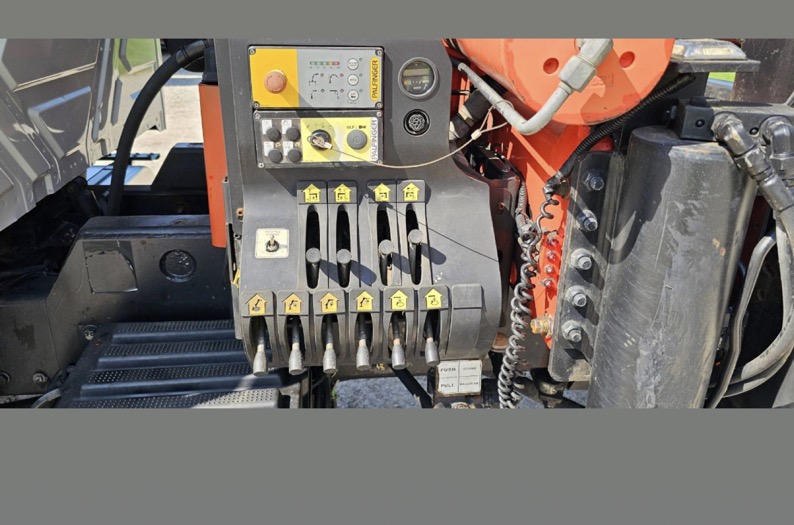
- Operator controls
Safety equipment should be accessible and maintained in working condition.
The operator should also confirm that the cab, seat, controls, and surrounding area are suitable for safe operation.
What Should You Check Before Starting the Equipment?
Before starting the engine, complete the visual and physical inspection first.
Confirm that:
- There are no obvious fluid leaks
- Tires or tracks appear to be in suitable condition
- Attachments are properly secured
- Hydraulic components show no obvious damage
- Safety equipment is available
- Guards and protective components are in place
- The operator area is clear
- Controls and visible components appear to be in normal condition
If a serious problem is identified, the equipment should not be placed into service until the issue has been properly evaluated.
What Should You Check After Starting the Equipment?
Some problems are easier to identify once the machine is running.
After starting the equipment, check:
- Warning lights and gauges
- Unusual noises
- Unusual vibration
- Hydraulic operation
- Steering and movement
- Braking systems
- Horns and alarms
- Operator controls
- Attachment operation
Pay attention to anything that appears different from the machine’s normal operating condition.
If a new warning, leak, unusual noise, or other significant problem appears after startup, stop and evaluate the issue before continuing operation.
Who Is Responsible for Forestry Equipment Inspections?
Inspection responsibilities should be clearly assigned so that checks are performed consistently.
Equipment Operators
Operators are typically responsible for completing the required pre-operation checks before using the machine.
They should report:
- Damage
- Leaks
- Safety concerns
- Unusual operating conditions
- Maintenance issues
Fleet and Maintenance Managers
Fleet or maintenance personnel can oversee scheduled maintenance, review inspection records, and make sure identified problems are addressed.
They can also establish inspection procedures for different types of equipment.
Supervisors
Supervisors can help ensure that operators understand inspection procedures and that inspection records are completed consistently.
Clear responsibilities make it easier to identify problems and prevent inspection tasks from being overlooked.
What Happens If Equipment Inspections Are Skipped?
Skipping inspections can allow small problems to go unnoticed until they become more serious.
Potential consequences include:
- Unexpected equipment breakdowns
- Increased repair requirements
- Lost productivity
- Equipment damage
- Increased safety risks
- Difficulty tracking maintenance problems
- Incomplete maintenance records
A consistent inspection routine gives operators and maintenance teams an opportunity to identify problems before equipment is placed under heavy use.
How Should Forestry Equipment Inspections Be Documented?
Inspection records provide a written history of the equipment’s condition.
A basic inspection record should include:
- Equipment name
- Make and model
- Equipment identification number
- Date of inspection
- Operator name
- Machine hours
- Problems identified
- Corrective action required
- Inspector or operator signature
Inspection records can be maintained using paper checklists, digital forms, fleet-management systems, or other systems used by the operation.
The important point is consistency. Every inspection should be recorded using a process that operators and maintenance personnel can follow.
Printable Forestry Equipment Inspection Checklist
The following checklist can be printed or adapted for your operation.
Equipment Information
Equipment: ______________________________
Make/Model: ______________________________
Equipment ID: ____________________________
Date: ____________________________________
Operator: _________________________________
Machine Hours: ____________________________
1. Visual Inspection
☐ Walk around entire machine
☐ Check for visible damage
☐ Check for fluid leaks
☐ Check hoses and wiring
☐ Check guards and protective components
☐ Remove excessive debris where appropriate
2. Fluids and Engine Compartment
☐ Engine oil checked
☐ Coolant checked
☐ Hydraulic fluid checked
☐ Fuel level checked
☐ Other required fluids checked
☐ Engine compartment inspected for leaks
3. Tires, Tracks, and Undercarriage
☐ Tires inspected
☐ Tire damage or unusual wear checked
☐ Tracks inspected
☐ Track tension checked where applicable
☐ Rollers and idlers inspected
☐ Sprockets and undercarriage checked
4. Hydraulic System
☐ Hydraulic hoses inspected
☐ Hydraulic cylinders inspected
☐ Fittings and connections checked
☐ Hydraulic leaks checked
☐ Reservoir area inspected
5. Attachments and Working Components
☐ Attachments properly secured
☐ Grapple inspected
☐ Winch inspected
☐ Boom/arms inspected
☐ Cutting or working components inspected
☐ Cables/chains checked where applicable
6. Safety Equipment and Systems
☐ Seat belt checked
☐ ROPS/protective structure checked
☐ Horn checked
☐ Warning lights checked
☐ Alarms checked
☐ Emergency stop checked where applicable
☐ Fire extinguisher checked
☐ Guards and safety equipment checked
7. After-Start Check
☐ Warning lights and gauges checked
☐ Unusual noises checked
☐ Unusual vibration checked
☐ Steering checked
☐ Brakes checked
☐ Hydraulic operation checked
☐ Controls checked
☐ Attachment operation checked
Inspection Result
Equipment Safe to Operate: ☐ Yes ☐ No
Problems Identified:
Action Required:
Operator Signature: ______________________________
Supervisor/Maintenance Signature: ________________
How to Build an Effective Equipment Inspection Schedule
A good inspection program should be easy for operators and maintenance personnel to follow.
Start by establishing clear inspection intervals based on the equipment and the operation.
A schedule may include:
Daily Inspections
Daily checks should focus on the machine’s visible condition, fluid levels, tires or tracks, safety systems, attachments, and basic operating condition.
Weekly Inspections
Weekly inspections can provide an opportunity to review equipment condition more closely and identify wear or maintenance issues that may not be obvious during a normal daily check.
Monthly or Periodic Inspections
More detailed inspections can be scheduled according to equipment requirements, operating conditions, maintenance procedures, and manufacturer recommendations.
Seasonal or Condition-Based Checks
Equipment used under changing environmental or operating conditions may require additional attention to specific components.
The inspection schedule should be reviewed periodically and updated when equipment, operating conditions, or maintenance procedures change.
Common Problems Found During Forestry Equipment Inspections
Regular inspections can help identify several common equipment problems, including:
- Low fluid levels
- Fluid leaks
- Damaged hydraulic hoses
- Worn tires or tracks
- Undercarriage wear
- Damaged attachments
- Loose components
- Warning-system problems
- Damaged safety equipment
- Unusual noises or vibration
Finding these problems during an inspection gives the operator or maintenance team an opportunity to address them before they interfere with normal operations.
Why Are Equipment Inspection Records Valuable?
Inspection records can help an operation track equipment condition over time.
They can show:
- When a problem was first identified
- Which equipment requires attention
- Whether recurring problems are developing
- What maintenance actions were taken
- How equipment condition changes over time
These records can also be useful when evaluating equipment for future maintenance, replacement, or resale.
What Should You Check When Buying Used Forestry Equipment?
Inspection is not only important for equipment already in your fleet. It is also important when evaluating used forestry equipment before making a purchase.
When inspecting used equipment, pay attention to:
- Overall machine condition
- Engine compartment
- Fluid leaks
- Hydraulic components
- Tires or tracks
- Undercarriage
- Attachments
- Safety equipment
- Operator controls
- Gauges and warning systems
- Signs of excessive wear
- Maintenance and inspection records, when available
A detailed inspection can help you better understand the condition of a used machine and identify areas that may require additional evaluation or maintenance.
If you are comparing equipment for your operation, review the machine’s condition alongside its specifications, operating requirements, and maintenance history.
Forestry Equipment Inspection FAQs
How often should forestry equipment be inspected?
Equipment should be inspected before operation according to the equipment manufacturer’s requirements and the inspection procedures established by the operation. Daily pre-operation checks are an important part of maintaining a consistent inspection routine.
What should be included in a forestry equipment inspection checklist?
A checklist should cover the machine’s visual condition, fluid levels, tires or tracks, undercarriage, hydraulic components, attachments, safety equipment, controls, gauges, and operating condition.
Who should perform a forestry equipment inspection?
Operators should complete the required pre-operation inspection before using equipment. Maintenance personnel and supervisors can support more detailed inspections, maintenance, documentation, and training.
Should equipment inspection results be documented?
Yes. Recording inspection results creates a history of equipment condition and helps maintenance personnel track problems and corrective actions.
What are some common problems found during inspections?
Common problems can include low or leaking fluids, damaged hydraulic hoses, worn tires or tracks, damaged attachments, loose components, and problems with safety systems or controls.
What should you do if a problem is found during an inspection?
The problem should be reported and evaluated before the equipment is placed into operation. The appropriate corrective action depends on the type and severity of the issue.
Can inspection records help when selling used forestry equipment?
Yes. Consistent inspection and maintenance records can provide useful information about the equipment’s condition and maintenance history when evaluating a machine for resale.
Inspect Before You Operate
A consistent forestry equipment inspection routine can help identify problems before they turn into unexpected breakdowns, expensive repairs, or unsafe operating conditions.
Start with a simple walk-around. Check fluids, tires or tracks, hydraulic components, attachments, and safety systems. Then complete the operational checks and document any problems that need attention.
Whether you operate a single machine or manage a larger fleet, a clear inspection process makes it easier to monitor equipment condition and address problems before they affect your operation.
Looking for Forestry Equipment?
Browse current forestry and logging equipment listings to find the right machine for your operation.
Looking for forestry equipment or planning to sell a machine? Browse current forestry equipment listings on Lumbermens or learn more about selling your equipment.