The Complete Guide to Sawmill Equipment.
Looking for the Right Sawmill Equipment? Here’s What Every Buyer Should Know.
Whether you’re starting a custom sawmilling business, expanding a commercial lumber operation, or upgrading older machinery, choosing the right sawmill equipment is one of the most important investments you’ll make.
The equipment you buy today will influence your production capacity, operating costs, maintenance expenses, and overall profitability for years to come. Yet with so many options available—including portable band sawmills, hydraulic sawmills, edgers, resaws, conveyors, and complete milling systems—knowing where to start isn’t always easy.
Many buyers assume that purchasing the most expensive machine guarantees better results. Others focus only on finding the lowest price. In reality, neither approach is always the best decision.
At LumbermensCo, we work with buyers and sellers throughout the forestry industry and see firsthand how different operations have different equipment needs. A portable sawmill may be the perfect solution for a landowner milling lumber occasionally, while a high-production hydraulic system makes more sense for a commercial sawmill processing logs every day.
The key is finding equipment that matches your production goals—not simply your budget.
This guide explains the different types of sawmill equipment, what affects pricing, how to compare new and used machinery, and what experienced buyers look for before making a purchase. Whether you’re buying your first sawmill or expanding an established operation, you’ll gain practical insights that can help you make a smarter investment.
What Is Sawmill Equipment?
Sawmill equipment refers to the machinery used to process raw logs into usable lumber. Depending on the size of the operation, this may involve a single portable sawmill or a complete production line with multiple machines working together to improve efficiency.
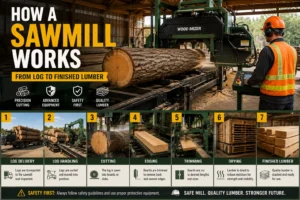
Modern sawmills rely on specialized equipment to handle each stage of the milling process—from moving logs into position to cutting, edging, trimming, and transporting finished lumber.
Common types of sawmill equipment include:
- Portable Band Sawmills
- Hydraulic Sawmills
- Circular Sawmills
- Edgers
- Resaws
- Debarkers
- Log Decks
- Conveyors
- Log Turners
- Lumber Handling Systems
- Waste Removal Systems
Each machine has a specific role within the milling process. Selecting the right combination depends on your production volume, available workspace, the species of wood you process, and your long-term business goals.
If you’re currently comparing available machines, browsing our Sawmill Equipment for Sale inventory can help you explore different equipment types, compare specifications, and better understand which machines fit your operation.
Why Investing in the Right Sawmill Equipment Matters
Buying sawmill equipment isn’t simply about purchasing another machine—it’s about investing in the future of your business.
The right equipment can help increase production, improve lumber quality, reduce labor costs, and minimize waste. Poor equipment choices, on the other hand, often lead to unexpected downtime, expensive repairs, lower production efficiency, and higher operating costs.
That’s why experienced buyers evaluate much more than just the asking price.
They consider:
- Production capacity
- Machine condition
- Maintenance history
- Hydraulic features
- Parts availability
- Manufacturer reputation
- Fuel efficiency
- Ease of operation
- Long-term ownership costs
Looking beyond the purchase price often leads to better long-term value.
Why More Businesses Are Buying Used Sawmill Equipment
Over the past several years, demand for used sawmill equipment has continued to grow across North America.
One reason is simple: quality machinery is built to last.
Many well-maintained sawmills remain productive for decades when serviced properly, allowing buyers to purchase dependable equipment at a significantly lower cost than buying new.
At LumbermensCo, many buyers compare both new and used equipment before making a decision. For smaller businesses, independent sawmill owners, logging contractors, and landowners, purchasing used machinery often provides the best balance between affordability and production capacity.
Some of the biggest advantages include:
Lower Initial Investment
Buying used equipment often allows businesses to reduce upfront costs while still investing in reliable machinery capable of producing quality lumber.
Faster Return on Investment
Lower purchase prices generally mean businesses can recover their investment sooner, particularly when equipment is used consistently.
Proven Reliability
Many machines available today have already demonstrated years of dependable performance under real working conditions.
Greater Buying Power
Instead of purchasing an entry-level machine, buyers may be able to afford larger hydraulic systems or additional production equipment by shopping in the used market.
Who Uses Sawmill Equipment?
Sawmill equipment supports far more than large commercial lumber mills.
Today’s buyers include professionals from a wide range of industries, including:
- Logging Companies
- Forestry Contractors
- Commercial Sawmills
- Landowners
- Farmers
- Ranch Owners
- Custom Milling Businesses
- Furniture Manufacturers
- Cabinet Shops
- Timber Frame Builders
- Woodworking Businesses
- Pallet Manufacturers
- Firewood Producers
Every operation has different production requirements. Some businesses need portable equipment that can travel directly to the job site, while others require high-capacity production systems capable of processing large volumes of timber each day.
Understanding your workload before purchasing equipment is one of the best ways to maximize your investment.
Why Buyers Choose LumbermensCo
Finding quality sawmill equipment isn’t always easy. Listings are often spread across multiple websites, equipment histories may be incomplete, and comparing machines from different sellers can take hours.
That’s where LumbermensCo helps.
As a specialized marketplace for forestry and logging equipment, LumbermensCo makes it easier to browse equipment built specifically for the wood products industry.
Whether you’re searching for portable band sawmills, hydraulic sawmills, edgers, resaws, conveyors, or complete sawmill systems, you’ll find equipment from trusted sellers in one place.
Instead of spending time searching dozens of websites, buyers can compare listings, review machine specifications, and connect directly with sellers to find equipment that fits their production goals and budget.
What You’ll Learn Next
In the next section, we’ll break down:
- The different types of sawmill equipment
- Average sawmill equipment prices in 2026
- What factors influence equipment value
- How to compare new and used machinery
- Which equipment is best for different operations
Understanding these fundamentals will help you invest with confidence and avoid some of the most common—and costly—mistakes buyers make.
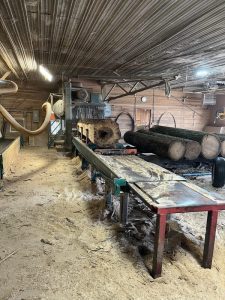
Types of Sawmill Equipment
No two sawmill operations are exactly alike. A small custom milling business has very different equipment needs than a high-production commercial lumber mill. That’s why understanding the purpose of each machine is essential before making an investment.
At LumbermensCo, we regularly see buyers comparing several types of sawmill equipment before deciding which setup best fits their operation. Some businesses only need a portable sawmill, while others require a complete production line that includes log handling systems, edgers, conveyors, and lumber processing equipment.
Below are the most common types of sawmill equipment and their primary applications.
Portable Band Sawmills
Portable band sawmills remain one of the most popular choices for landowners, farmers, custom sawyers, and small businesses. These machines are designed to travel directly to the job site, making them ideal for milling logs without transporting them to a permanent sawmill.
Benefits include:
- Lower initial investment
- Easy transportation
- Efficient lumber recovery
- Ideal for custom milling
- Suitable for hardwood and softwood
Portable sawmills are an excellent option for businesses that value flexibility and mobility.
Hydraulic Sawmills
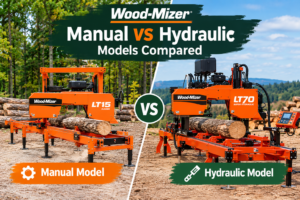
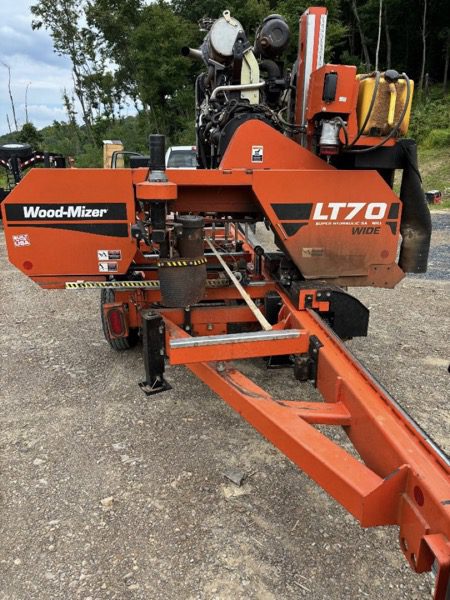
Hydraulic sawmills are designed to improve efficiency by reducing manual labor. Features such as hydraulic log loaders, clamps, toe boards, and log turners allow operators to process larger logs faster and with less physical effort.
For businesses producing lumber daily, hydraulic systems often increase productivity while reducing operator fatigue.
Although these machines typically cost more than manual models, many buyers consider them a worthwhile investment because of their higher production capacity.
Industrial Sawmill Systems
Large commercial operations rely on complete sawmill systems rather than individual machines.
These production lines may include:
- Primary saws
- Secondary breakdown equipment
- Edgers
- Resaws
- Conveyors
- Sorting systems
- Waste handling equipment
- Lumber stacking systems
Industrial systems are built for continuous production and are commonly used by lumber manufacturers processing high volumes of timber every day.
Edgers
Once lumber passes through the primary saw, an edger removes rough edges and creates uniform board widths.
Adding an edger can significantly improve production efficiency while reducing material waste.
For many growing operations, an edger is one of the first upgrades after purchasing a portable or hydraulic sawmill.
Resaws
Resaws allow operators to cut thicker boards into multiple thinner boards with consistent accuracy.
Furniture manufacturers, flooring producers, cabinet shops, and specialty woodworking businesses often use resaws to maximize lumber yield and reduce waste.
Conveyors and Material Handling Equipment
Moving heavy logs and finished lumber by hand slows production and increases labor costs.
Conveyors help transport materials safely between different stages of production while improving workflow throughout the mill.
For higher-volume operations, conveyors become an essential part of an efficient sawmill system.
How Much Does Sawmill Equipment Cost in 2026?
One of the most common questions buyers ask us is:
“How much should I expect to pay for sawmill equipment?”
The answer depends on several factors, including equipment type, production capacity, manufacturer, age, condition, hydraulic features, and maintenance history.
Below is a general pricing guide based on current market trends.
| Equipment Type | Typical Price Range |
|---|---|
| Portable Band Sawmill | $5,000 – $35,000 |
| Hydraulic Sawmill | $20,000 – $90,000+ |
| Industrial Sawmill System | $100,000 – $1,000,000+ |
| Edger | $5,000 – $40,000 |
| Resaw | $10,000 – $100,000+ |
| Log Deck | $8,000 – $60,000 |
| Conveyor System | $3,000 – $50,000+ |
Actual pricing varies depending on equipment specifications, machine condition, included accessories, and market demand.
If you’re comparing multiple machines, exploring our Sawmill Equipment for Sale listings is an excellent way to understand current availability and pricing across different equipment categories.
What Affects the Price of Sawmill Equipment?
Two machines may look similar at first glance but have dramatically different values. Understanding what influences pricing can help you avoid overpaying and identify equipment that offers the best long-term value.
1. Machine Condition
Condition is one of the biggest factors affecting resale value.
Before purchasing equipment, inspect:
- Frame integrity
- Rust or corrosion
- Hydraulic components
- Bearings
- Belts
- Electrical systems
- Weld repairs
- Signs of excessive wear
A well-maintained machine often provides better value than a newer machine with poor maintenance.
2. Manufacturer Reputation
Equipment built by well-established manufacturers generally holds its value better because buyers trust their reliability, durability, and parts availability.
When evaluating listings, don’t focus solely on the brand name. Maintenance history and overall condition are often just as important.
3. Production Capacity
Larger machines capable of processing bigger logs or producing higher daily output naturally command higher prices.
Before purchasing, consider:
- Maximum log diameter
- Maximum log length
- Daily production goals
- Available workspace
- Future business growth
Buying equipment that matches your expected production can improve efficiency while avoiding unnecessary costs.
4. Hydraulic Features
Hydraulic log handling systems save time and reduce manual labor.
Machines equipped with hydraulic loading arms, clamps, log turners, and toe boards generally cost more upfront but often deliver better long-term productivity.
5. Maintenance History
One of the first things experienced buyers request is service documentation.
Look for records covering:
- Oil changes
- Bearing replacements
- Hydraulic servicing
- Blade maintenance
- Engine repairs
- Scheduled inspections
Complete maintenance records provide confidence that equipment has been properly cared for.
6. Parts Availability
Even the most reliable equipment eventually requires replacement parts.
Choosing equipment from manufacturers with strong dealer networks and readily available replacement components can reduce downtime and simplify future maintenance.
Should You Buy New or Used Sawmill Equipment?
There’s no single answer.
For some businesses, investing in brand-new equipment provides access to the latest technology and manufacturer warranties.
For others, purchasing well-maintained used machinery offers exceptional value while significantly reducing upfront costs.
At LumbermensCo, we see successful buyers choosing both options. The right decision depends on your budget, production requirements, and long-term business goals.
| Used Equipment | New Equipment |
|---|---|
| Lower purchase price | Latest technology |
| Faster ROI | Manufacturer warranty |
| Lower depreciation | Factory support |
| Larger equipment for the same budget | Custom configurations available |
| Proven performance history | New components throughout |
Rather than asking whether new or used equipment is better, ask which option best supports your operation over the next five to ten years.
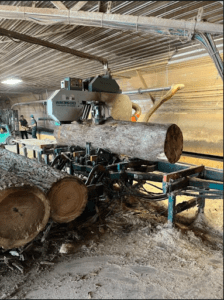
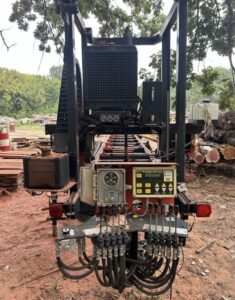
How to Choose the Right Sawmill Equipment
Choosing sawmill equipment isn’t simply about finding the lowest price—it’s about selecting machinery that matches your production goals today while supporting future growth.
Before making a purchase, ask yourself a few important questions:
- How many logs will you process each week?
- What species of wood will you be cutting?
- Do you need portable equipment or a permanent mill?
- Will you be working alone or with a team?
- Is your goal custom milling, commercial lumber production, or personal use?
Answering these questions will help narrow your options and prevent investing in equipment that doesn’t fit your operation.
At LumbermensCo, we encourage buyers to compare multiple machines before making a final decision. Looking beyond the asking price often leads to a smarter long-term investment.
Common Mistakes Buyers Make
Even experienced buyers can make costly mistakes when purchasing sawmill equipment. Avoiding these common issues can save thousands of dollars in future repairs and lost productivity.
Buying Based Only on Price
A lower purchase price doesn’t always mean better value.
Equipment with hidden mechanical problems or poor maintenance can quickly become more expensive than a higher-priced machine that’s been properly cared for.
Skipping the Inspection
Whenever possible, inspect the equipment before purchasing.
Pay close attention to:
- Engine performance
- Hydraulic components
- Blade guides
- Bearings
- Frame condition
- Weld repairs
- Electrical systems
- Conveyor components
If possible, ask the seller to demonstrate the machine under normal operating conditions.
Ignoring Maintenance Records
Maintenance history often reveals more about a machine than its appearance.
Service records showing regular oil changes, hydraulic maintenance, bearing replacements, and routine inspections indicate that the equipment has likely been well maintained.
Buying More Machine Than You Need
Larger equipment isn’t always the better investment.
Purchasing machinery with significantly more capacity than your operation requires may increase maintenance costs, fuel consumption, and operating expenses without improving profitability.
Choose equipment that matches your current production while allowing room for future growth.
How to Maximize the Life of Your Sawmill Equipment
Proper maintenance is one of the best investments you can make after purchasing sawmill equipment.
Simple preventative maintenance can improve reliability, reduce downtime, and extend the life of your machinery.
Best practices include:
- Clean the machine after each use.
- Inspect blades regularly.
- Lubricate moving parts according to the manufacturer’s recommendations.
- Replace worn bearings and belts before they fail.
- Inspect hydraulic hoses for leaks.
- Keep rails properly aligned.
- Store portable equipment under cover whenever possible.
- Follow scheduled engine maintenance intervals.
Routine maintenance not only protects your equipment but also helps maintain its resale value.
Why Buy Sawmill Equipment Through LumbermensCo?
Finding quality equipment shouldn’t require searching dozens of websites.
At LumbermensCo, our goal is to make buying and selling forestry equipment easier by bringing trusted buyers and sellers together in one specialized marketplace.
Whether you’re searching for a portable band sawmill, hydraulic sawmill, edger, resaw, conveyor system, or complete production line, you’ll find a wide selection of equipment designed for the forestry and wood-processing industries.
Unlike general equipment marketplaces, LumbermensCo focuses specifically on logging, forestry, and sawmill machinery. That means buyers can compare relevant equipment, review detailed specifications, and connect directly with sellers who understand the industry.
If you’re ready to explore available inventory, browse our Sawmill Equipment for Sale to compare machines from trusted sellers across North America.
Frequently Asked Questions
What equipment is needed to start a sawmill?
Most small operations begin with a portable band sawmill. As production grows, businesses often add edgers, resaws, conveyors, log decks, and material handling equipment to improve efficiency.
Is buying used sawmill equipment a good investment?
Yes. Well-maintained used equipment can provide excellent value, lower upfront costs, and faster return on investment compared to buying new machinery.
How much does sawmill equipment cost?
Prices vary depending on the equipment type, manufacturer, condition, and production capacity. Portable sawmills generally cost less than complete industrial sawmill systems.
What should I inspect before buying used equipment?
Inspect the frame, engine, hydraulic system, bearings, blade guides, electrical components, maintenance records, and overall structural condition.
How often should sawmill equipment be serviced?
Follow the manufacturer’s maintenance schedule. Regular inspections, lubrication, hydraulic servicing, and blade maintenance help reduce downtime and extend equipment life.
Is portable or stationary equipment better?
Portable sawmills are ideal for mobile operations and custom milling. Stationary systems are better suited for high-volume commercial production.
Can I finance sawmill equipment?
Many equipment dealers and financial institutions offer financing options for qualified buyers. Availability depends on the seller and your financing provider.
Where can I find quality sawmill equipment for sale?
A specialized marketplace like LumbermensCo allows buyers to compare sawmill equipment from trusted sellers, making it easier to find machinery that fits their production needs and budget.
Final Thoughts
Investing in sawmill equipment is a decision that affects every stage of your operation—from production efficiency and operating costs to lumber quality and long-term profitability.
Taking the time to understand different machine types, compare equipment carefully, and evaluate maintenance history can help you make a purchase that continues delivering value for years to come.
Whether you’re launching a new sawmilling business, upgrading aging machinery, or expanding an existing operation, choosing equipment that aligns with your production goals is one of the smartest investments you can make.
At LumbermensCo, we’re committed to helping forestry professionals, logging contractors, and sawmill operators connect with quality equipment from trusted sellers across North America. Our specialized marketplace makes it easier to compare listings, explore available inventory, and find machinery built to support your business for years to come.
Sources
- United States Department of Agriculture. Forest Products Laboratory – Wood Handbook: Wood as an Engineering Material.
- National Hardwood Lumber Association. Grading Rules for Hardwood Lumber.
- Forest Products Society. Research publications on forest products and wood processing.
- International Wood Products Association. Industry resources and market information.
- United States Forest Service. Forest management and timber harvesting resources.
Disclaimer
This article is intended for informational and educational purposes only. Equipment specifications, pricing, availability, and market conditions may change over time. Always inspect machinery carefully and verify specifications with the seller before making a purchasing decision.